Timberly Font: Handcrafted Branding for Small Business
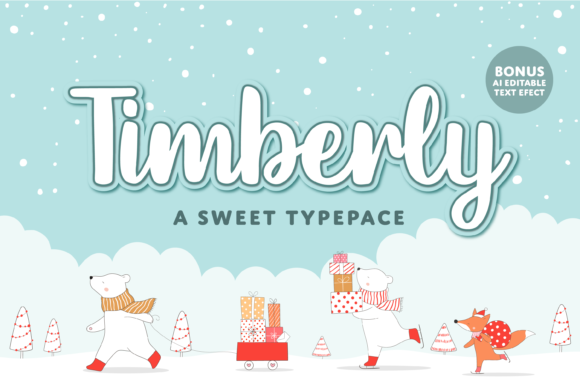
As a small business owner, you know that your visual identity is often the first interaction a customer has with your brand. Before they taste your pastry, smell your candle, or book your coaching session, they see your logo, packaging, and social media graphics. Finding a typeface that balances personality with professionalism is one of the most critical design decisions you will make. Timberly is a handcrafted script font designed specifically to bridge the gap between artistic expression and commercial functionality. With its unique uppercase and lowercase letters and distinct flowing feel, this typeface offers a warm, authentic aesthetic that helps independent creators stand out in a crowded digital marketplace.
Elevating Brand Identity with Authentic Typography
In an era of mass production, customers are increasingly drawn to brands that feel human, tactile, and intentional. Timberly captures this sentiment perfectly. Unlike standard system fonts that can feel sterile or overly corporate, Timberly brings the charm of hand-lettering to your digital and print assets. The beautifully handcrafted letters convey a sense of care and attention to detail that aligns seamlessly with handmade products, boutique services, and artisanal goods.
The true power of this font lies in its ligatures and alternates. These features allow you to customize the flow of the text so it never looks repetitive or computer-generated. For a business owner, this means your logo or headline can look bespoke rather than generic. When you utilize these creative elements, you signal to your audience that your brand is premium and thoughtfully curated. Whether you are launching a new skincare line or rebranding a family-owned café, Timberly provides the visual warmth necessary to build trust and emotional connection.
Practical Applications Across Business Touchpoints
A versatile font must perform well across every customer touchpoint. Timberly is not just a display font for headlines; it is a workhorse for comprehensive brand identity. Here is how you can practically apply this typeface to grow your business:
- Product Packaging and Labels: For handmade candles, soaps, or food products, Timberly adds an artisanal quality to labels. Its flowing script suggests natural ingredients and hand-poured care. Use the alternates to fit text elegantly on curved jars or narrow boxes without sacrificing readability.
- Social Media Content: On platforms like Instagram and Pinterest, stopping the scroll is essential. Use Timberly for quote graphics, announcement overlays, and story highlights. The distinct letterforms create high contrast against solid backgrounds or lifestyle photography, making your content instantly recognizable in a feed.
- Website Banners and Headers: Your website hero section sets the tone for the user experience. Timberly works exceptionally well for short, impactful headlines that welcome visitors. It pairs beautifully with minimalist web design, adding character without cluttering the interface.
- Customer-Facing Materials: Thank-you cards, invoices, and email signatures are opportunities to reinforce brand loyalty. A handwritten-style font on a packing slip makes a transactional moment feel personal and appreciative, encouraging repeat business and positive reviews.
- Menus and Signage: For cafés and restaurants, Timberly creates an inviting atmosphere on chalkboards and printed menus. Use it for section headers or daily specials to guide the eye while maintaining a cohesive, cozy aesthetic.
Strategic Font Pairing for Professional Results
While Timberly is stunning on its own, professional branding requires balance. As a display font, it shines brightest when paired with a supportive typeface that handles body copy and functional text. To maintain readability and hierarchy, avoid pairing Timberly with other decorative or script fonts. Instead, opt for clean, neutral partners.
A geometric sans serif font is often the ideal companion. The structured simplicity of a sans serif contrasts beautifully with the organic curves of Timberly, ensuring your marketing materials remain legible and modern. Alternatively, a classic serif font can add a touch of traditional elegance, which works particularly well for heritage brands, wedding vendors, or luxury beauty products. When designing business cards or flyers, use Timberly for the business name or primary call-to-action, and reserve your secondary font for contact details, descriptions, and fine print. This clear distinction guides the customer’s eye and ensures your message is communicated effectively.
Navigating Readability and Commercial Licensing
Creativity must always be balanced with utility. While Timberly’s ligatures are beautiful, readability should never be compromised for style. When using this font on small product labels or mobile screens, test your designs at actual size before printing or publishing. Intricate swashes may look elegant on a large monitor but can become illegible when scaled down to a 2-inch sticker or a thumbnail image. In these instances, utilize the simpler alternate characters or reduce the number of ligatures to ensure clarity. Remember that if a customer cannot read your product name or price quickly, the design has failed its primary business function.
Equally important is understanding the legal side of typography. Before incorporating Timberly into your revenue-generating activities, verify the commercial font licensing terms. Personal use licenses typically do not cover business applications. If you plan to use the font on products for sale, client work, merchandise, templates, or digital downloads, you must secure the appropriate commercial license. Investing in proper licensing protects your business from legal issues and supports the type designers who create these valuable assets. It also grants you access to the full character set, including the premium alternates and ligatures that make Timberly such a powerful tool for brand differentiation.
Testing and Implementing Your New Typeface
Adopting a new font is a strategic decision that deserves testing. Before committing Timberly to your entire brand suite, create mockups of your most critical assets. Design a sample Instagram post, a product label prototype, and a website header. View these mockups on different devices and in various lighting conditions to assess real-world performance. Ask for feedback from peers or loyal customers to gauge whether the font conveys the intended mood and remains easy to read.
Consistency is the key to brand recognition. Once you have validated that Timberly works for your specific needs, create a simple brand style guide. Document which alternates you prefer, establish rules for capitalization, and define your approved font pairings. This ensures that whether you are designing a holiday flyer, updating your Shopify store, or printing new packaging, your visual identity remains cohesive. By treating typography as a foundational business asset rather than an afterthought, you build a brand that feels established, trustworthy, and unmistakably yours. Timberly offers the perfect blend of artistry and utility to help your small business tell its unique story with confidence and style.